Q&A
Q&A
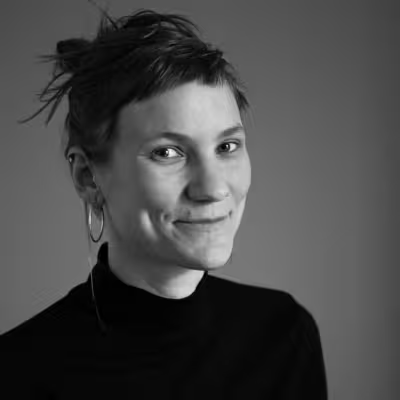
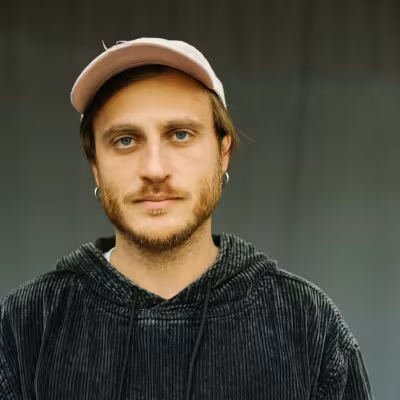
Asia Dér is a Hungarian-Slovak documentary filmmaker recognized for her intimate, character-driven work and long-term observational approach. Alongside her filmmaking, she is passionate about teaching and mentoring emerging filmmakers, and researching sustainable practices in documentary production, focusing on how the field can better support filmmakers and the protagonists. She is an active advocate for independent filmmaking in Eastern Europe.
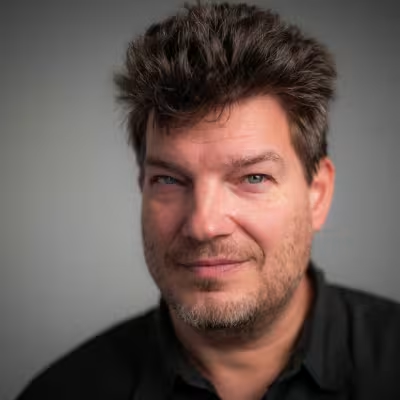
Nikolaus Geyrhalter is an Austrian filmmaker, cinematographer and producer known for his precise observational documentaries. Since founding his production company in 1994, he has made films including Pripyat, Our Daily Bread, Homo Sapiens and Matter Out of Place.
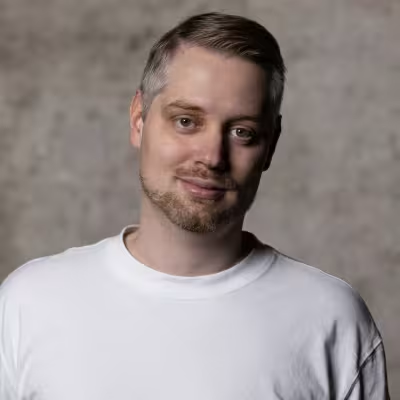
Olivér Márk Tóth is a Hungarian journalist and documentary filmmaker. He has worked as a video journalist for Hungarian and German media outlets and has been making documentaries since 2017, often focusing on rebellious and unconventional characters. His work has received the Hégető Honorka Award, and Meant to Be is his first feature-length documentary.
Józsa László studied Communications, Political Science and Anglo-Saxon Culture. He worked at Café Film as an agency producer on TV productions and commercials, short films and several documentaries. He has developed a documentary series on the new European mobility titled Leave/Stay. He is also involved in filming social projects and works with a number of NGOs. His first feature-length documentary as a producer ULTRA was co-produced by HBO Europe and was in the selection for the best documentaries for the EFA in 2017. Laszlo’s second feature length doc, Ghetto Balboa won the Hungarian Film Award for best documentary in 2019. Laszlo is one of the founders and the first president of the Hungarian Documentary Association.
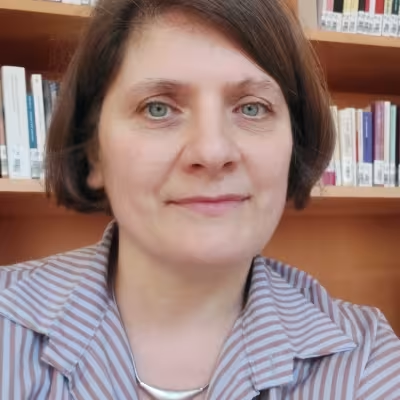
Dr. Oksana Sarkisova is Research Fellow at Blinken OSA Archivum at Central European University and co-founder and Head of Visual Studies Platform (VSP) at CEU. In 2004, she co-founded (with Zsuzsanna Zádori) and in 2008-2023 directed Verzió International Human Rights Documentary Film Festival, Budapest, currently serving as festival's program advisor. Her fields of research are cultural history, experimental cinema and the use of found footage, memory and representation, film history, ethnographies of home-mode photography and artistic practices of using amateur images. She has published in peer-reviewed journals and collective volumes on film history, nationality politics, contemporary Russian and Eastern European cinema, and amateur photography. She teaches courses on documentary cinema, film history, visual studies, and memory politics.
Dr Sarkisova designed and directed CEU Summer University Programs Documentary Cinema in the Digital Century (2013), Screened Memories: Historical Narratives and Contemporary Visual Culture (2016), Fields of Vision: Memory, Identity, and Images of the Past (2019), and most recently The Power of the Visual: Creative Documentary and Human Rights (2024). She also participated as tutor and invited faculty in the workshop series Cinema Without Borders (by Movies that Matter HRIFF), Summer School on Cinema and Human Rights (Galway), This is Film! 2023. Film Heritage in Practice public lecture series (by Eye Filmmuseum, Amsterdam), among others.
Sarkisova served as Jury member at several International Film Festivals, including those in Nuremberg, Kyiv, Zagreb, Warsaw, Tbilisi, Linz, the Hague, Ljubljana, Graz, and Vienna. Since 2024, she is an Advisory Board Member of Eidolon Centre for Everyday Photography.

Bill Morrison is an American filmmaker whose work is deeply rooted in archival and found footage. He is best known for Decasia, Dawson City: Frozen Time and Incident. His films explore memory, history and the material life of images; Incident won the International Documentary Association’s Best Short Film Award and was nominated for an Academy Award.
Máté Bartha is a Budapest-based visual artist working in photography and documentary film. He graduated from Moholy-Nagy University of Art and Design with a Master's degree in photography and later studied documentary filmmaking at the University of Theatre and Film Arts in Budapest. His work combines documentary observation, staged situations and visual experimentation. His Kontakt series received the Robert Capa Grand Prize Hungary in 2018 and the Louis Roederer Discovery Award at the Rencontres d’Arles in 2019.
Hanna Heilborn is a Swedish filmmaker who has worked as a writer since 1990 and as a documentary director since 1998. She is a co-owner of Story AB and is known for internationally acclaimed documentary and animated documentary work, including Hidden, Slaves and Sharaf, made with David Aronowitsch.
Ross McClean is a Belfast-born filmmaker who studied creative documentary through the DocNomads programme in Canada, Hungary, Portugal and Belgium. His short films Hydebank, Echo and No Mean City have premiered at major documentary festivals, while Magilligan is his debut feature-length documentary.
Ákos K. Kovács is a Hungarian filmmaker and director whose work includes documentary, music and fiction projects. His documentary work often focuses on cultural communities and contemporary Hungarian social realities. He directed Színház sárból and is also one of the directors of the upcoming feature Extázis Uncut.
Petro Rusanienko is a Ukrainian Roma c and cultural manager based in Berlin. He holds a Master's degree in Acting from the Karpenko-Kary National University of Theatre, Film and Television in Kyiv (2014-2020). In 2017 he co-directed and produced the short film Remember, dedicated to the Roma Holocaust in Ukraine, and received the Roma Pride Award from the Chiricli Foundation. He has appeared in numerous films and TV series, including the lead role in the Roma film CHACHO (dir. Vitalii Havura), which received an award at the Odesa International Film Festival.
In 2020-2021 he studied Gender Studies at Central European University in Budapest. After the full-scale invasion in 2022 he relocated to Berlin as a fellow of the Artist Protection Fund. Since 2023 he has been working at the European Roma Institute for Arts and Culture (ERIAC) as Community Coordinator and Project Manager.
He is a Board Member of the European Film Academy, elected to the first-ever board seat representing transnational minorities, where he represents Roma and Sinti filmmakers.
Anton Shtuka is a Ukrainian documentary photographer and filmmaker based in Kyiv. Since Russia’s full-scale invasion, he has documented stories from Ukraine for international media including The Guardian, Reuters, AP, Bloomberg and The Times.
Miska Lakatos is a Hungarian-Romanian filmmaker and editor based in Transylvania. He has previously worked as a director and screenwriter on documentary and cultural projects, including A Házsongárd arcai. For Six Portraits of Roma from the Cristuru Secuiesc Region, he also worked as editor and developed a collaborative, trust-based approach to filming the community.
Asia Dér is a Hungarian-Slovak documentary filmmaker recognized for her intimate, character-driven work and long-term observational approach. Alongside her filmmaking, she is passionate about teaching and mentoring emerging filmmakers, and researching sustainable practices in documentary production, focusing on how the field can better support filmmakers and the protagonists. She is an active advocate for independent filmmaking in Eastern Europe.
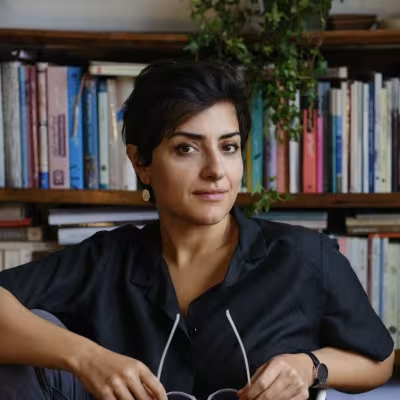
Afsaneh Salari is an Iranian documentary filmmaker, editor and producer based between Tehran and Paris. She is the co-founder of Docmaniacs and an alumna of La Fémis, Berlinale Talents, IDFA Academy and DocNomads. Her previous documentary The Silhouettes premiered at Visions du Réel, where it received a Jury Special Mention.
Kitti Fődi is a Hungarian journalist and documentary filmmaker. She studied media and communication in Budapest and documentary filmmaking in Norway. As a video journalist, she has focused primarily on social issues including education, poverty, healthcare, and disability. Bakpakk is her first documentary film.